Face Man Element Design: Bridging Visual Identity and User Experience
In the rapidly evolving landscape of digital aesthetics, the intersection of human-centric imagery and structured graphic components has become a focal point for designers and brand strategists alike. At the heart of this trend lies Face Man Element Design, a conceptual framework that merges the emotive power of facial representation with the precision of modular design elements. For general consumers, creative professionals, and business owners, understanding this synergy is not merely about appreciating art; it is about leveraging visual psychology to create more engaging, memorable, and effective digital experiences.
The term face man element design may sound technical, but its application is profoundly human. It refers to the strategic integration of facial features—whether photographic, illustrative, or abstract—into broader design systems. This approach moves beyond simple portraiture, treating the human face as a dynamic component within a larger visual ecosystem. By doing so, creators can guide user attention, evoke specific emotional responses, and establish a stronger connection between the brand and its audience.
The Core Philosophy Behind Human-Centric Visuals
Why do we respond so strongly to faces? Evolutionary biology suggests that humans are hardwired to recognize and interpret facial expressions. We look for eyes to gauge intent, mouths to understand emotion, and overall structure to identify identity. Face Man Element Design capitalizes on this innate biological response. When a designer incorporates a face into a layout, they are not just adding an image; they are inserting a powerful communication tool.
However, the "element" aspect is crucial. In traditional photography, a face might be the sole subject. In face man element design, the face is deconstructed or contextualized within geometric shapes, typography, color blocks, and negative space. This modular approach allows for greater flexibility. A face might be partially obscured by a bold headline, integrated into a logo mark, or fragmented across a scrolling web page. The goal is to maintain the human connection while adhering to the structural needs of modern interface design.
Key Characteristics and Features
To effectively utilize this design philosophy, one must understand its defining characteristics. These features distinguish it from standard portrait photography or generic stock imagery:
- Modularity: Facial components are treated as flexible assets that can be resized, cropped, or layered without losing their communicative power.
- Emotional Anchoring: The expression chosen serves as the emotional anchor for the entire piece, dictating the tone of the accompanying text and colors.
- Visual Hierarchy: Eyes and gazes are used strategically to direct the viewer’s attention toward calls-to-action or key information.
- Abstraction vs. Realism: Depending on the brand voice, the face may be hyper-realistic or highly stylized, allowing for versatility across different industries.
By balancing these elements, designers create compositions that feel both organic and structured. This balance is what makes Face Man Element Design particularly effective in digital environments where screen real estate is limited and user attention spans are short.
Practical Applications Across Industries
The versatility of face man element design means it can be applied across a wide range of sectors. Its value lies in its ability to humanize abstract concepts and add warmth to sterile interfaces. Here are some real-world scenarios where this approach shines:
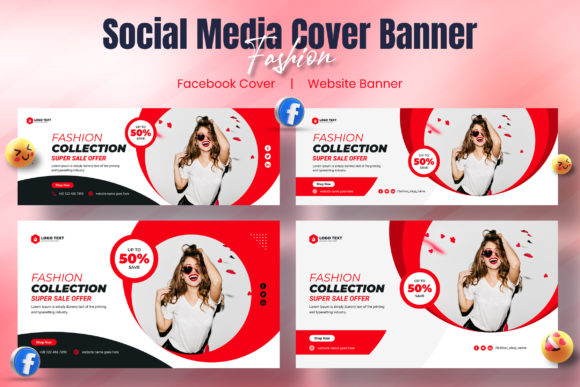
- Digital Marketing and Advertising: In social media ads, a face looking directly at the camera can increase engagement rates. When combined with bold graphic elements, such as arrows or text overlays, the design guides the user’s eye naturally toward the "Shop Now" button.
- Corporate Branding: Companies often struggle to appear approachable. Using stylized portraits of team members or customers within clean, geometric layouts can convey professionalism while maintaining a human touch. This is particularly useful for consulting firms, tech startups, and healthcare providers.
- Web and App Interface Design: Onboarding screens often feature illustrations or photos of people using the product. By integrating these faces into the UI elements—such as having a character interact with a button or form field—designers can make tutorials feel more interactive and less instructional.
- Editorial and Content Creation: Blog headers and article thumbnails benefit from this style. A face partially covered by a large, elegant title creates a magazine-quality aesthetic that encourages clicks and reads.
For business owners, the implication is clear: incorporating human elements into your design strategy is not just an aesthetic choice; it is a functional one. It helps break down barriers between the brand and the consumer, fostering trust and familiarity.
Evaluating Suitability: Is This Approach Right for You?
While Face Man Element Design offers numerous benefits, it is not a one-size-fits-all solution. Before implementing this style, creators and stakeholders should evaluate their specific needs and constraints. Consider the following factors:
Brand Identity: Does your brand rely on personal connection? If you are selling a highly technical B2B software solution, a minimalist, abstract approach might be more appropriate than a face-heavy design. However, if your service involves coaching, healthcare, or community building, human faces are essential.
Target Audience: Different demographics respond differently to visual cues. Younger audiences might appreciate bold, abstract, or surreal interpretations of face man element design, while older demographics may prefer clear, realistic, and trustworthy representations. Understanding your audience’s visual literacy is key to execution.
Technical Constraints: Implementing complex layered designs requires careful consideration of load times and responsiveness. A design that looks stunning on a desktop monitor might become cluttered or illegible on a mobile device. Ensuring that the facial elements scale appropriately is a critical step in the design process.
Strengths and Limitations
Like any design methodology, this approach has its strengths and limitations. On the positive side, it enhances emotional resonance and improves user engagement. It allows for creative storytelling and can differentiate a brand in a crowded market. However, there are risks. Poorly executed designs can feel disjointed or distracting. If the facial elements clash with the typography or color scheme, the result can be visual noise rather than harmony.
Furthermore, there is the consideration of authenticity. In an age where AI-generated images are prevalent, audiences are becoming increasingly skeptical of overly perfect or generic faces. To maintain credibility, it is important to use genuine, diverse, and relatable imagery whenever possible. The "element" aspect should enhance the humanity of the image, not obscure it.
Best Practices for Implementation
For those looking to integrate Face Man Element Design into their projects, here are some practical guidelines to ensure success:
- Prioritize Eye Contact: Use the gaze of the subject to lead the viewer. If you want them to read a headline, have the subject look toward it.
- Maintain Consistency: If you choose a stylized, illustrative approach, apply it consistently across all marketing materials. Mixing photorealistic faces with flat icons can create cognitive dissonance.
- Respect Negative Space: Do not overcrowd the face. Allow breathing room around facial features to ensure the design feels open and inviting.
- Test for Accessibility: Ensure that text overlaid on facial images has sufficient contrast. Use tools to check readability for users with visual impairments.
Ultimately, the goal of face man element design is to create a seamless blend of form and function. It is about recognizing that behind every click, conversion, and interaction is a human being. By designing with that humanity in mind, we create digital spaces that are not only visually appealing but also emotionally resonant and effective.
As technology continues to advance, the tools available for manipulating and integrating facial elements will become more sophisticated. However, the core principle remains unchanged: people connect with people. Whether you are a solo creator building a personal brand or a large corporation redesigning your website, embracing the power of the human face within your design elements can provide a competitive edge. It transforms passive viewing into active engagement, turning casual visitors into loyal advocates.
In conclusion, Face Man Element Design is more than a trend; it is a reflection of our fundamental need for connection in the digital age. By understanding its principles, evaluating its suitability, and applying it with intention, designers and business owners can create experiences that are both beautiful and meaningful. The future of design is human, and by mastering these elements, we are better equipped to navigate it.