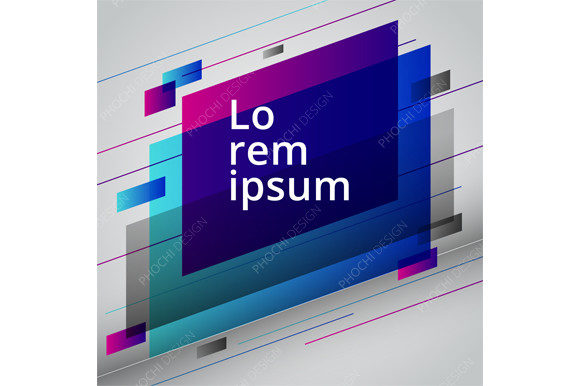
Geometric Blue Design Elements Graphic: A Practical Guide for Modern Layouts
In the realm of digital and print design, visual consistency often determines the success of a project. Designers, marketers, and business owners frequently seek assets that balance aesthetic appeal with functional versatility. The Geometric Blue Design Elements Graphic has emerged as a popular resource for those aiming to achieve a clean, professional look without starting from scratch. This collection typically features abstract shapes, lines, and forms rendered in various shades of blue against a crisp white background.
Understanding when to utilize these pre-made vector illustrations versus creating custom artwork is essential for efficient workflow management. This article explores the characteristics of these design elements, compares them to alternative design approaches, and provides practical advice on integrating them into banners, web layouts, tags, and labels.
Defining the Aesthetic and Technical Specifications
At its core, this type of graphic resource relies on the psychological impact of color and the structural integrity of geometry. Blue is universally associated with trust, stability, and calmness, making it a preferred choice for corporate branding, healthcare, technology, and financial sectors. When combined with geometric abstraction, the design communicates modernity and precision.
The technical quality of these assets is a primary differentiator. High-quality packages, such as the one described, are delivered in 300dpi resolution, ensuring that prints remain sharp regardless of size. More importantly, being 100% vector means the graphics are composed of mathematical paths rather than pixels. This allows for infinite scalability without loss of quality. Whether you are designing a small product label or a large-format trade show banner, the edges remain crisp.
Furthermore, the organization of files plays a crucial role in usability. Well-organized layers and editable shapes mean that designers can quickly adjust colors to match specific brand guidelines. The inclusion of both EPS and JPG formats provides flexibility; EPS files are ideal for professional editing in software like Adobe Illustrator, while JPGs offer immediate usability for quick web uploads or presentations where editing is not required.
Comparing Vector Elements to Raster and Custom Design
When evaluating design resources, it is helpful to compare vector-based geometric elements against other common options: raster images and fully custom illustration.
Vector vs. Raster Images
Raster images (such as standard photographs or PNGs) are pixel-based. While they can capture complex textures and realistic details, they suffer from resolution limitations. Enlarging a raster image often results in pixelation, which looks unprofessional in print media. In contrast, the Geometric Blue Design Elements Graphic maintains clarity at any scale. For projects requiring multiple output sizes—such as a logo that appears on both a business card and a billboard—vector assets are superior.
However, raster images may still be preferable for projects requiring photorealism or complex shading that vectors cannot easily replicate. If your design goal is to evoke emotion through realistic imagery, geometric vectors might feel too sterile or abstract.
Pre-made Assets vs. Custom Illustration
Creating custom geometric designs from scratch offers total creative control but demands significant time and skill. Hiring a professional illustrator or spending hours manipulating anchor points in design software can delay project timelines. Pre-made vector packs offer a middle ground. They provide a high level of polish and professionalism at a fraction of the cost and time.
The trade-off is uniqueness. Since these assets are available for download, other designers may use similar elements. To mitigate this, users should leverage the editable nature of the files. By modifying shapes, combining different elements, and adjusting color palettes, designers can create a unique composition that retains the efficiency of a pre-made asset while avoiding a generic appearance.
Best-Fit Use Cases and Applications
The versatility of abstract blue geometric shapes makes them suitable for a wide array of applications. Understanding where these elements shine helps in deciding whether they fit your current project needs.
- Web Banners and Headers: The clean lines and ample copy space inherent in these designs make them ideal for website headers. The white background ensures that text remains readable, while the blue accents draw the eye without overwhelming the content.
- Product Labels and Tags: For products emphasizing purity, technology, or reliability, these graphics provide a structured frame. The vector format ensures that barcodes and small text remain legible even on small packaging.
- Corporate Presentations: Slide decks benefit from consistent visual themes. Using geometric elements as background accents or section dividers creates a cohesive narrative flow without distracting from the data.
- Social Media Graphics: The abstract nature allows for easy adaptation to various aspect ratios. Designers can crop and rearrange elements to fit Instagram stories, LinkedIn posts, or Facebook covers seamlessly.
Evaluating Limitations and Decision Factors
While highly useful, these design elements are not a universal solution. Several factors should influence your decision to adopt them.
Brand Alignment
If your brand identity relies on warm tones, organic shapes, or hand-drawn aesthetics, geometric blue elements may clash with your established voice. For example, a boutique bakery might find cold, angular blue shapes incongruent with its cozy, artisanal image. In such cases, exploring warmer color palettes or softer, organic vector styles would be more appropriate.
Complexity Needs
Abstract geometric designs are inherently minimalist. If your project requires intricate detailing, cultural motifs, or character illustrations, these simple shapes will not suffice. They serve best as supporting elements rather than focal points in highly complex narratives.
Editing Proficiency
To fully benefit from the "editable shapes and color" feature, users need basic proficiency in vector editing software. While JPGs are ready to use, unlocking the true potential of the EPS files requires tools like Adobe Illustrator, CorelDRAW, or Inkscape. Users without access to these tools or the skills to manipulate vectors may find the assets limiting compared to drag-and-drop template services.
Making an Informed Choice
Choosing the right design resource involves balancing budget, timeline, and creative requirements. The Geometric Blue Design Elements Graphic is an excellent choice for professionals seeking efficiency without sacrificing quality. It is particularly valuable for:
- Startups and Small Businesses: Entities with limited budgets for custom design can achieve a polished, corporate look affordably.
- High-Volume Content Creators: Marketers who need to produce numerous variations of banners or social posts can save hours by modifying existing vectors rather than creating new designs.
- Non-Designers with Basic Skills: Individuals with some familiarity with design software can customize these templates to look professional without extensive training.
Conversely, if your project demands high uniqueness, specific cultural references, or photorealistic imagery, investing in custom illustration or stock photography may yield better results. Additionally, if your brand guidelines strictly prohibit blue or geometric minimalism, these assets would require excessive modification to fit, negating their time-saving benefits.
Final Thoughts on Integration
Integrating these elements into your workflow requires a strategic approach. Start by identifying the primary message of your design. Use the geometric shapes to guide the viewer’s eye toward key information, leveraging the natural flow of the lines. Utilize the copy space effectively by ensuring sufficient contrast between text and background.
Remember that the value of these assets lies in their adaptability. Do not hesitate to recolor the blue elements to align with secondary brand colors or to combine multiple shapes to create new forms. By treating these downloads as a toolkit rather than a final product, you can maximize their utility and ensure your designs remain distinct and impactful.
Ultimately, the Geometric Blue Design Elements Graphic represents a pragmatic solution for modern design challenges. It bridges the gap between amateur attempts and expensive custom work, offering a professional foundation upon which creative ideas can be built. By understanding its strengths and limitations, you can make informed decisions that enhance your visual communication strategy.