Integrating International Yoga and Meditation into Creative Workflows
In the fast-paced environment of modern creative and professional work, maintaining mental clarity and physical well-being is not merely a luxury; it is a structural necessity. International Yoga and Meditation offers more than just physical exercise or spiritual practice. For professionals, entrepreneurs, and creators, these disciplines provide a framework for sustained focus, stress management, and enhanced cognitive function. When integrated correctly into daily routines, yoga and meditation become essential tools for optimizing workflow efficiency and long-term productivity.
This article explores how to practically implement International Yoga and Meditation into your professional and personal processes. We will examine where these practices fit within broader project lifecycles, how they interact with other productivity methods, and how visual assets—such as high-quality illustrations—can support branding and communication around wellness initiatives.
The Role of Mindfulness in Professional Planning
Before diving into execution, it is crucial to understand the strategic value of mindfulness. Many professionals treat yoga and meditation as separate from their work, relegating them to early mornings or weekends. However, a more effective approach involves weaving these practices directly into the workday. This integration helps regulate the nervous system, allowing for better decision-making during high-pressure situations.
Consider the planning phase of any major project. This stage often involves complex problem-solving and strategic thinking. Practicing meditation before beginning this phase can clear mental clutter, enabling a more objective assessment of resources and timelines. Similarly, gentle yoga stretches can alleviate the physical tension that accumulates during long periods of sedentary planning. By viewing International Yoga and Meditation as preparatory tools rather than optional extras, you create a foundation for smoother execution.
Implementation Across the Project Lifecycle
The utility of yoga and meditation varies depending on the stage of your workflow. Understanding when to apply specific techniques can significantly enhance outcomes.
Pre-Work Preparation
Starting the day with intention sets the tone for subsequent tasks. A short meditation session, even ten minutes in length, can improve focus and reduce anxiety. For creators and marketers, this mental reset is invaluable before tackling creative briefs or campaign strategies. Physical yoga poses, particularly those that open the chest and shoulders, counteract the hunched posture common among desk workers. This physical alignment supports better breathing and energy levels throughout the morning.
During Execution and Creative Blocks
Mid-day slumps and creative blocks are inevitable. Instead of pushing through fatigue, which often leads to diminished quality, use yoga as a reset mechanism. Brief stretching routines can increase blood flow to the brain, revitalizing cognitive function. For entrepreneurs and freelancers, stepping away from the screen for a five-minute mindfulness break can provide the perspective needed to solve stubborn problems. This practice interacts seamlessly with time-management methods like the Pomodoro Technique, where breaks are scheduled intentionally.
Post-Task Decompression
Ending the workday without a clear transition can lead to burnout. Using meditation or restorative yoga poses helps signal to the body and mind that work has concluded. This separation is critical for maintaining work-life balance, especially for those working from home. It ensures that stress does not carry over into personal time, allowing for genuine recovery and preparation for the next day.
Leveraging Visual Assets for Wellness Communication
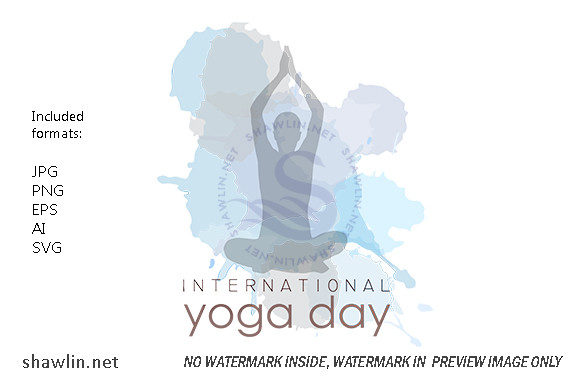
For educators, bloggers, and small business owners, communicating the benefits of International Yoga and Meditation often requires compelling visual content. High-quality illustrations can enhance engagement on websites, social media, and educational materials. When selecting assets for these purposes, technical compatibility and versatility are key considerations.
A comprehensive asset pack typically includes multiple file formats to ensure usability across different platforms. For instance, vector formats like EPS and AI are essential for scalability. These files allow designers to resize illustrations without losing quality, making them suitable for everything from business cards to large banners. The inclusion of older version EPS files is particularly useful for professionals who may not have the latest software updates, ensuring broader accessibility.
Raster formats such as JPG and PNG serve different needs. JPGs are ideal for web use where file size matters, while PNGs support transparency, allowing seamless integration into various design layouts. Additionally, SVG files are increasingly important for web development, offering lightweight, scalable graphics that load quickly and look sharp on all devices. Having all these formats zipped together streamlines the workflow, saving time on conversion and editing.
Quality Control and Usability
When incorporating hand-drawn watercolor splash illustrations into your projects, attention to detail is vital. High-resolution files ensure that textures and colors remain vibrant and clear. The absence of watermarks in the final downloadable files is a critical factor for professional use, allowing for immediate implementation without additional editing steps. Preview images may contain watermarks to protect intellectual property, but the actual assets should be clean and ready for deployment.
Organizing these files efficiently within your digital asset management system enhances long-term usability. Labeling folders by format and theme allows for quick retrieval, supporting consistent branding across multiple campaigns. For marketers and publishers, this organization reduces friction in the content creation process, enabling faster turnaround times for wellness-related articles and promotions.
Integration with Other Tools and Methods
International Yoga and Meditation do not exist in a vacuum. They complement other productivity tools and methodologies. For example, combining mindfulness practices with digital detox periods can amplify their benefits. Similarly, using yoga principles to inform ergonomic workspace setup can prevent physical strain and injury.
Collaboration also plays a role. Teams that practice group meditation or stretch breaks often report improved cohesion and communication. For leaders and managers, introducing these practices can foster a supportive culture that values employee well-being. This approach aligns with modern human resources strategies that prioritize mental health and sustainable performance.
- Compatibility: Ensure that chosen practices fit within existing schedules and physical capabilities.
- Consistency: Regular, short sessions are more effective than occasional long ones.
- Efficiency: Use pre-prepared assets and structured routines to minimize setup time.
- Quality: Invest in high-quality instructional resources and visual materials to maintain professional standards.
Practical Tips for Long-Term Success
Sustaining a practice of International Yoga and Meditation requires commitment and adaptability. Start with small, manageable goals. Integrate one short meditation session into your morning routine and one stretching break into your afternoon. Track your progress and adjust based on how you feel. Over time, these habits will become ingrained, supporting your overall productivity and well-being.
For content creators, regularly updating your visual library with fresh, high-quality illustrations keeps your audience engaged. Utilize the versatility of vector and raster files to experiment with different designs and layouts. Remember that the goal is not perfection but consistent improvement and integration.
In conclusion, International Yoga and Meditation offer profound benefits for professionals seeking to enhance their workflow and quality of life. By understanding their role in planning, execution, and recovery, and by leveraging high-quality visual assets for communication, you can create a holistic approach to work that supports both success and well-being. Whether you are a freelancer, entrepreneur, or corporate leader, these practices provide the clarity and resilience needed to navigate the complexities of modern professional life.