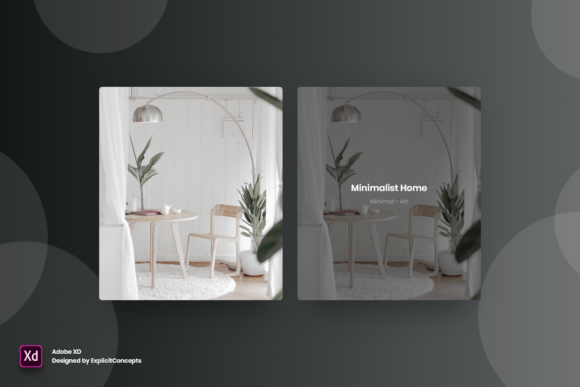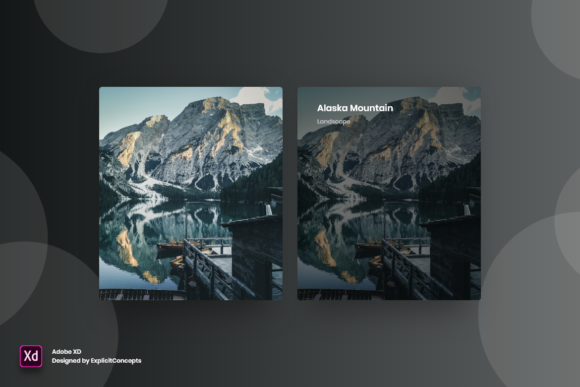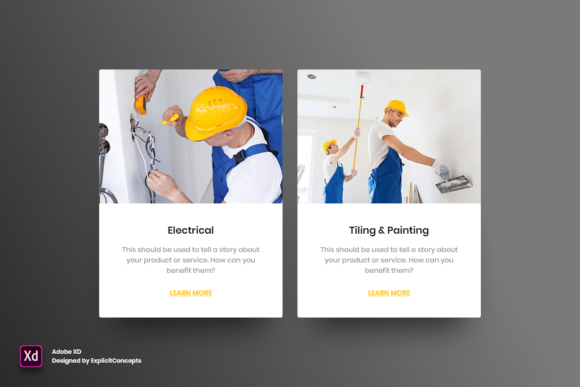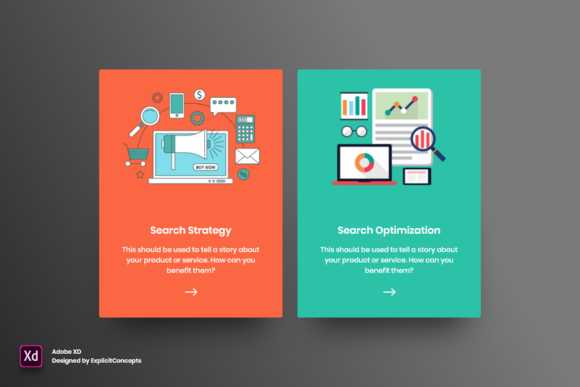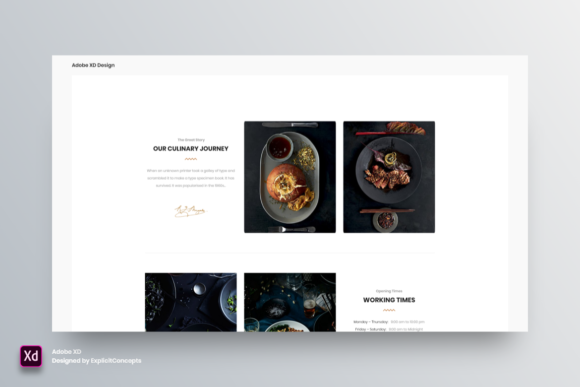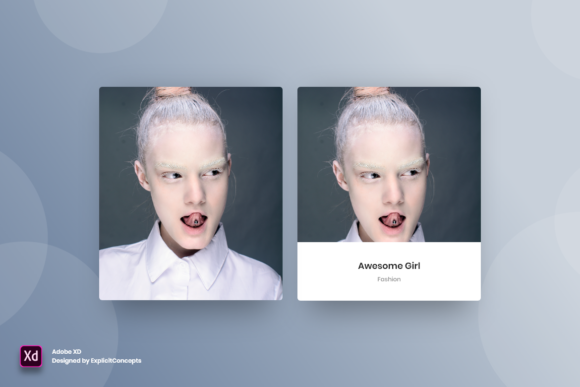
Portfolio Hover State Vol 04 for Adobe XD
In the fast-paced world of digital design, first impressions are often formed in milliseconds. For UI/UX designers, portfolio creators, and web developers, the difference between a static layout and an interactive experience can determine whether a client stays engaged or clicks away. This is where Portfolio Hover State Vol 04 - Adobe XD becomes an invaluable asset. It is not just a collection of graphics; it is a structured, ready-to-use toolkit designed to streamline the prototyping process for high-quality web portfolios.
Whether you are a freelancer showcasing your latest branding project, an agency presenting case studies, or an educator teaching interface design, having a reliable set of hover states can significantly reduce production time. This resource offers a professional foundation that allows you to focus on content and strategy rather than reinventing the wheel for every button, card, or image interaction.
Why Organization Matters in Design Systems
One of the most frustrating aspects of working with third-party design assets is encountering messy files. Layers named "Rectangle 34 copy 5" or groups buried under unrelated elements can turn a simple edit into a hours-long troubleshooting session. Portfolio Hover State Vol 04 - Adobe XD addresses this pain point directly by prioritizing structure.
The file is fully editable and meticulously organized. Every element is placed in clearly named layers, making navigation intuitive. When you open the file, you are not greeted with chaos but with a logical hierarchy. This level of organization is crucial for professionals who need to hand off designs to developers or collaborate with other designers. Clear naming conventions ensure that anyone opening the file can immediately understand the structure, locate specific components, and make adjustments without confusion.
For entrepreneurs and business owners who may not have a dedicated design team, this ease of use is equally important. It lowers the barrier to entry, allowing non-designers to customize templates with confidence. You can move, remove, or modify elements without fear of breaking the underlying layout because the foundation is solid and well-documented within the file itself.
Key Features and Technical Quality
Beyond organization, the technical specifications of this volume ensure it meets professional standards. The assets are provided at 72 dpi, which is the standard resolution for web and screen-based displays. This ensures that your prototypes look crisp and clear on monitors, tablets, and mobile devices without unnecessary file bloat that can slow down loading times during presentations.
The format is native to Adobe XD, a powerful vector-based user experience design tool. If you are already working within the Adobe ecosystem, integration is seamless. You can copy components directly into your existing projects, maintain consistency with your brand guidelines, and leverage XD’s robust prototyping features to bring these hover states to life.
Here are the core characteristics that make this volume stand out:
- Fully Editable Components: Every text block, font style, color code, and shape is adjustable. You are not locked into a specific aesthetic.
- High-Quality Vectors: As vector graphics, these elements scale infinitely without losing quality, ensuring your portfolio looks sharp on any screen size.
- Ready-to-Use Prototypes: The hover states are pre-configured, meaning you can test interactions immediately after importing them into your main artboard.
- Versatile Styling: The designs are modern yet neutral enough to adapt to various industries, from tech startups to creative studios.
Practical Applications for Professionals
The utility of Portfolio Hover State Vol 04 - Adobe XD extends far beyond simple aesthetic enhancement. It serves as a functional tool for improving user experience (UX) and communication across several professional contexts.
Freelancers and Creative Agencies
For freelancers, time is money. Spending hours coding or designing micro-interactions from scratch for every client proposal is inefficient. By using this volume, you can rapidly prototype high-fidelity mockups that demonstrate how a final website will feel. When a client sees a button change color smoothly or an image card lift slightly upon hovering, they can better visualize the end product. This tangible interactivity often helps in closing deals and setting clear expectations.
Marketers and Brand Managers
Consistency is key in branding. Marketers can use these hover states to ensure that all digital touchpoints reflect the brand’s personality. Whether it is a subtle fade, a bold color shift, or a structural expansion, the hover effect communicates tone. A financial institution might prefer a conservative, minimal shift, while a gaming company might opt for dynamic, high-energy animations. This toolkit allows marketers to test these variations quickly before handing them off to development teams.
Educators and Students
In educational settings, teaching the principles of interactive design can be challenging when students struggle with the technical setup. Instructors can use Portfolio Hover State Vol 04 - Adobe XD as a teaching aid. Students can deconstruct the layers to understand how states are built, experiment with different timing functions, and learn the importance of feedback in user interfaces. It provides a safe, structured environment for learning advanced prototyping concepts.
Enhancing User Engagement and Usability
Hover states are more than just decorative flourishes; they are essential cues for usability. They provide immediate feedback to users, confirming that an element is interactive. Without these visual cues, users may hesitate, unsure if a text block is a link or if an image is clickable.
By implementing well-designed hover effects from this volume, you improve the overall navigability of your portfolio. Users can scan content more efficiently, distinguishing between primary calls to action and secondary information. This clarity reduces cognitive load and creates a smoother, more enjoyable browsing experience. For business owners, this translates to lower bounce rates and higher engagement metrics.
Furthermore, these interactions add a layer of polish that elevates perceived value. A portfolio that responds to user input feels alive and attentive. It suggests that the creator pays attention to detail, a trait highly valued in any professional field. Whether you are selling a product, a service, or your own skills, that perception of quality can be the deciding factor for potential clients.
Tips for Implementation and Customization
To get the most out of Portfolio Hover State Vol 04 - Adobe XD, consider these practical recommendations during implementation:
- Align with Brand Identity: Before applying the hover states, update the colors and fonts to match your brand guidelines. Consistency across all states reinforces brand recognition.
- Maintain Subtlety: While it is tempting to use dramatic animations, remember that the goal is guidance, not distraction. Choose hover effects that complement the content rather than overpower it.
- Test Across Devices: Although hover states are primarily for desktop users, ensure that the default state looks good on mobile devices where hover functionality does not exist. The static design must remain strong.
- Group Related Elements: When integrating these assets into your main project, keep your layers organized. Use the same naming conventions provided in the template to maintain clarity for future edits.
In conclusion, Portfolio Hover State Vol 04 - Adobe XD is a practical, high-quality resource for anyone looking to enhance their digital presence. It combines technical precision with user-friendly organization, making it suitable for both seasoned designers and those new to prototyping. By leveraging these pre-built interactions, you can save time, improve usability, and create a more engaging experience for your audience. In a digital landscape where attention is scarce, providing a polished, interactive interface is not just a nice-to-have—it is a necessity.