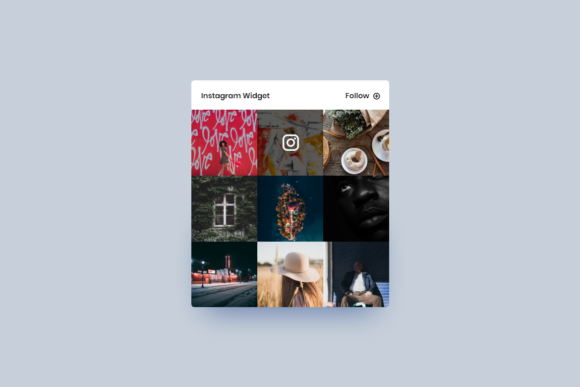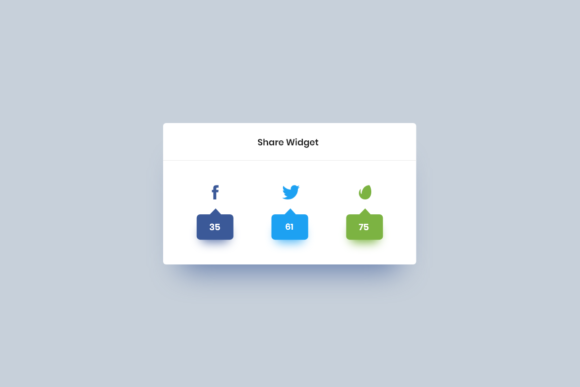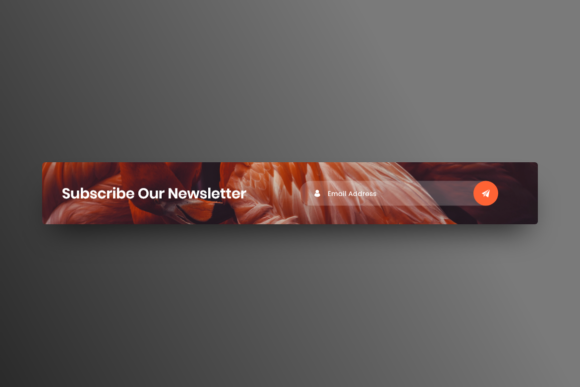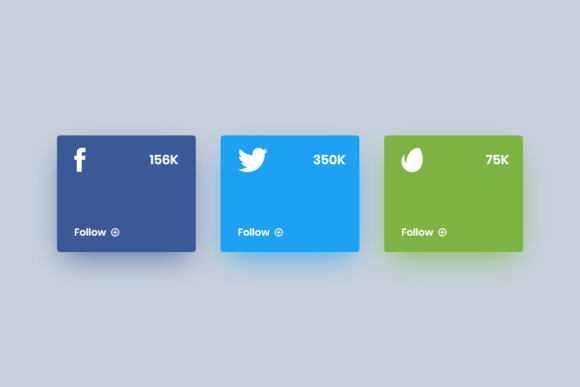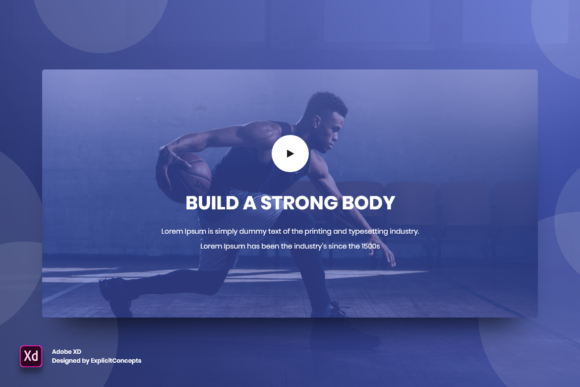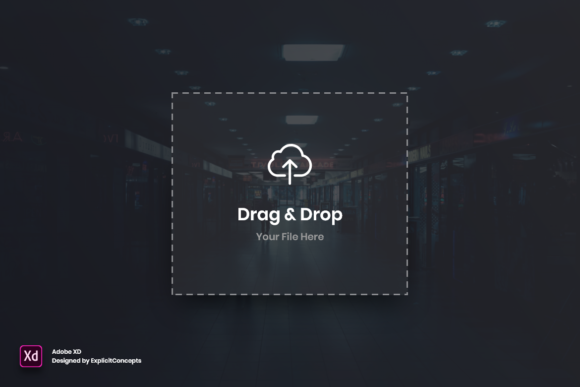
Streamline Design with Drag Image Widget for Adobe XD
In the fast-paced world of digital product design, efficiency is not just a bonus; it is a necessity. Designers, marketers, and entrepreneurs constantly juggle tight deadlines while striving to maintain high visual standards. This is where specialized tools like the Drag Image Widget - Adobe XD become invaluable assets in your creative toolkit. Rather than building interactive elements from scratch every time you start a new project, leveraging pre-built, well-organized components allows you to focus on strategy and user experience rather than repetitive pixel-pushing.
This widget is designed specifically for Adobe XD, a leading vector-based user experience design tool used for web and mobile apps. By integrating this ready-to-use component into your workflow, you can significantly reduce the time spent on prototyping and interface layout. Whether you are a seasoned UI designer, a freelance developer, or a business owner creating your first app mockup, understanding how to utilize such resources can transform your production pipeline.
Why Organization Matters in Design Systems
One of the most frustrating aspects of working with third-party design assets is encountering messy files. Layers named "Rectangle 43 copy" or groups buried ten levels deep can turn a simple edit into a hour-long troubleshooting session. The Drag Image Widget - Adobe XD addresses this pain point head-on by prioritizing structure. Every element within the file is well organized all in layers with clear names. This attention to detail is not merely aesthetic; it is functional.
When layers are logically named and grouped, navigating the design becomes intuitive. You can quickly locate the specific image placeholder, button state, or text block you need to modify. For teams collaborating on a single project, this clarity ensures that handoffs between designers and developers are smooth. A developer can inspect the file and immediately understand the hierarchy of elements, reducing the back-and-forth communication that often plagues complex projects. This level of organization reflects a professional approach to design system management, ensuring that the asset remains usable long after the initial download.
Customization and Ease of Use
Flexibility is key when selecting design resources. No two projects are identical, and a rigid template often requires more work to break than it saves in setup time. This widget stands out because it is fully editable and really easy to use. You are not locked into a specific look or feel. Instead, you have complete control over the visual identity of the component.
The ability to easy edit texts, fonts, colors, move or remove elements means you can align the widget with your brand guidelines effortlessly. If your corporate palette uses a specific shade of blue, you can update the color properties in seconds. If the default typography does not match your site’s voice, swapping in your preferred font family is straightforward. This adaptability makes the widget suitable for a wide range of applications, from minimalist tech startups to vibrant e-commerce platforms.
Furthermore, the technical specifications ensure quality. The asset is provided at a high quality 72 dpi, which is the standard resolution for screen-based designs. This ensures that images and vectors remain crisp on various devices without unnecessarily bloating the file size. Being ready to use and formatted specifically for Adobe XD, it integrates seamlessly into your existing library without requiring conversion or complex setup procedures.
Practical Applications Across Industries
The versatility of the Drag Image Widget extends beyond traditional UI design. Its utility spans across personal, professional, educational, and commercial environments. Here are several real-world scenarios where this tool adds significant value:
- Freelance Web Designers: When pitching concepts to clients, speed is essential. Using this widget allows freelancers to create high-fidelity prototypes quickly, demonstrating functionality without spending days on custom illustration. This efficiency can lead to higher client satisfaction and the ability to take on more projects.
- Marketing Teams: Marketers often need to visualize campaign landing pages or app features for internal presentations. A drag-and-drop image widget enables non-designers to assemble compelling visuals that communicate ideas clearly, bridging the gap between creative vision and strategic execution.
- Educators and Students: In academic settings, teaching user interface principles requires clear examples. This organized widget serves as an excellent teaching aid, allowing students to deconstruct a professional layout and understand how layers and components interact. It provides a safe sandbox for learning best practices in layer management and component design.
- Entrepreneurs and Startups: For founders building their own MVPs (Minimum Viable Products), resources like this reduce the barrier to entry. You do not need to hire a full-time designer to create a presentable prototype. By using editable, high-quality widgets, you can test your ideas with users and gather feedback faster.
Enhancing User Experience and Productivity
Ultimately, the goal of any design tool is to improve the end-user experience. However, the path to a great UX begins with the designer’s productivity. When you spend less time wrestling with software and more time thinking about user flows, the final product benefits. The Drag Image Widget - Adobe XD supports this by removing friction from the design process.
Consider the impact on branding consistency. When elements are easy to edit, maintaining a cohesive look across multiple screens becomes manageable. You can ensure that every image placeholder adheres to the same aspect ratio and styling rules, creating a polished and professional appearance. This consistency builds trust with users, who perceive well-designed interfaces as more reliable and credible.
Moreover, the ease of moving or removing elements encourages experimentation. Design is an iterative process. You might try one layout, realize it does not work, and quickly pivot to another. With a flexible widget, this iteration happens in minutes rather than hours. This agility allows for more thorough testing of ideas, leading to stronger design decisions and better engagement metrics once the product launches.
Making the Most of Your Design Assets
To get the most out of this widget, consider integrating it into a broader design system. Save the edited versions as components within Adobe XD. This way, if you need to make a global change later, you can update the master component, and all instances will reflect the change automatically. This practice amplifies the efficiency gains provided by the initial organized structure.
Also, pay attention to the naming conventions used in the file. Adopting similar practices in your own work will compound the benefits. Clear naming is a habit that pays dividends in large-scale projects. By studying how this widget is structured, you can improve your own file hygiene, making you a more effective collaborator and designer.
In conclusion, the Drag Image Widget - Adobe XD is more than just a downloadable file; it is a productivity enhancer. Its combination of high-quality resolution, organized layers, and full editability makes it a smart choice for anyone looking to streamline their design workflow. By reducing the technical overhead of creating common UI elements, it frees you to focus on what truly matters: creating meaningful, engaging, and effective digital experiences.