Understanding the Cow Tail Vector Illustration Template: A Practical Guide for Designers
In the expansive world of digital illustration, specific assets often serve niche but critical roles in broader design projects. The cow tail vector illustration template is one such resource that, while seemingly minor, can significantly impact the authenticity and quality of agricultural, rural, or character-based designs. For graphic designers, illustrators, and marketing professionals, understanding the utility, versatility, and technical specifications of this asset is essential for making informed decisions about their creative toolkit.
This article explores the distinct characteristics of a cow tail vector illustration template, compares it with alternative design approaches, and evaluates when utilizing a pre-made template is more advantageous than creating custom artwork from scratch. By examining the tradeoffs and best-fit scenarios, readers can determine whether this specific resource aligns with their project requirements.
Defining the Asset: What Is a Cow Tail Vector Illustration Template?
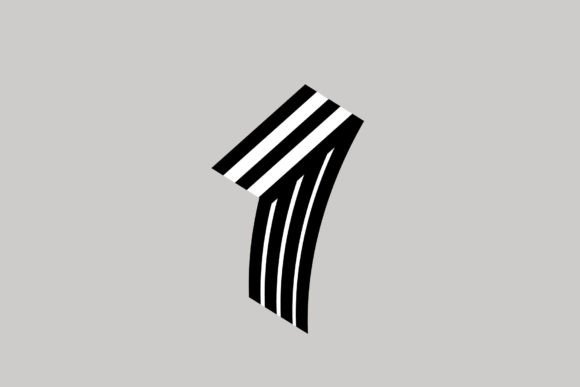
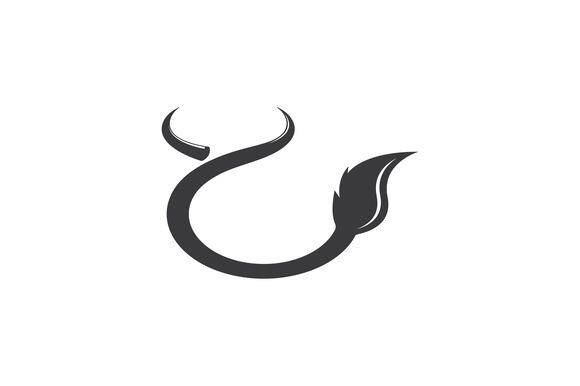
A cow tail vector illustration template is a scalable digital graphic file that depicts the tail of a cow, typically isolated from the rest of the animal’s body. Unlike raster images (such as JPEGs or PNGs), vector files are created using mathematical paths, allowing them to be resized infinitely without losing resolution or clarity. This technical distinction is crucial for professional applications where the asset may need to appear on everything from a small business card to a large-scale billboard.
These templates usually come in standard vector formats such as AI (Adobe Illustrator), EPS (Encapsulated PostScript), or SVG (Scalable Vector Graphics). They are designed to be editable, meaning users can adjust colors, line weights, and shapes to match their specific brand guidelines or artistic style. The level of detail can vary widely, ranging from minimalist silhouettes suitable for iconography to highly detailed, realistic renderings that capture the texture of hair and skin.
Key Characteristics of High-Quality Templates
- Scalability: The primary advantage of any vector asset is its ability to maintain crisp edges at any size.
- Editability: Layers should be organized logically, allowing designers to modify individual elements like the tuft of hair or the bone structure.
- Style Consistency: The illustration style should be coherent, whether it is flat design, hand-drawn, or photorealistic.
- Compatibility: Files should be compatible with major design software suites to ensure seamless integration into existing workflows.
Comparing Pre-Made Templates vs. Custom Illustration
When deciding whether to use a cow tail vector illustration template, designers often weigh the benefits of pre-made assets against the effort of creating custom illustrations. Both approaches have distinct advantages and limitations depending on the project scope, budget, and timeline.
Efficiency and Cost-Effectiveness
The most significant advantage of using a template is efficiency. Creating a anatomically correct and aesthetically pleasing cow tail from scratch requires time, skill, and attention to detail. For projects with tight deadlines or limited budgets, purchasing or downloading a high-quality template can save hours of work. This is particularly relevant for commercial projects where the tail is a secondary element rather than the focal point.
In contrast, custom illustration offers complete creative control. If a project requires a very specific breed characteristic, such as the unique switch of a Jersey cow versus the bushy tail of a Highland cow, a generic template may not suffice. In these cases, the time invested in custom drawing ensures accuracy and uniqueness, which can be vital for branding or educational materials.
Consistency and Integration
Another factor to consider is how well the template integrates with the rest of the design. A pre-made cow tail vector illustration template must match the style of other elements in the composition. If the rest of the illustration is done in a rough, sketchy style, a clean, polished vector tail may look out of place. Designers must evaluate whether the template can be easily modified to match the existing aesthetic. This might involve adjusting line weights, adding textures, or changing color palettes.
Custom illustrations naturally maintain stylistic consistency since they are created within the same workflow. However, this comes at the cost of time and resources. For teams working on large-scale projects with multiple assets, a library of versatile templates can provide a balance between consistency and efficiency.
Evaluating Style Options and Use Cases
Not all cow tail vectors are created equal. The style of the illustration plays a pivotal role in determining its suitability for different applications. Understanding the various stylistic approaches helps designers choose the right template for their specific needs.
Minimalist and Iconographic Styles
Minimalist templates focus on simple shapes and clean lines. These are ideal for icons, logos, and user interface elements where clarity and recognizability are paramount. A minimalist cow tail vector illustration template often abstracts the details, focusing on the general form rather than intricate textures. This style works well in modern, flat design contexts where excessive detail can clutter the visual hierarchy.
Realistic and Detailed Renderings
On the other end of the spectrum are realistic vectors that aim to replicate the natural appearance of a cow’s tail. These templates include detailed fur textures, shading, and anatomical accuracy. They are suitable for educational materials, veterinary brochures, or high-end packaging designs where authenticity is key. While these templates offer greater visual fidelity, they may require more processing power to render and can be harder to edit without specialized skills.
Whimsical and Cartoonish Approaches
For children’s books, animated characters, or playful branding, whimsical styles are often preferred. These templates feature exaggerated proportions, bright colors, and expressive lines. A cartoonish cow tail vector illustration template can add personality and charm to a design, making it more engaging for younger audiences. When selecting such templates, designers should look for flexibility in expression, allowing the tail to convey movement or emotion.
Technical Considerations and Best Practices
To maximize the value of a cow tail vector illustration template, designers should adhere to certain technical best practices. These ensure that the asset performs well across different mediums and platforms.
- Check File Formats: Ensure the template is available in formats compatible with your design software. SVG is excellent for web use, while AI and EPS are preferred for print and extensive editing.
- Inspect Layer Organization: Well-organized layers make editing easier. Look for templates where the tail, tuft, and background are separated into distinct layers.
- Verify Scalability: Test the vector at various sizes to ensure there are no stray anchor points or jagged edges that may appear when scaled up.
- Review Licensing Terms: Always check the license agreement to understand how the asset can be used. Some templates are for personal use only, while others allow commercial applications with or without attribution.
When to Choose a Template and When to Look Elsewhere
Deciding whether to use a cow tail vector illustration template ultimately depends on the specific requirements of the project. Here are some scenarios where a template is likely the right choice:
- Tight Deadlines: When time is of the essence, a template provides a quick and reliable solution.
- Budget Constraints: For projects with limited funds, templates offer a cost-effective alternative to hiring an illustrator.
- Secondary Elements: If the cow tail is a minor detail in a larger composition, a template is sufficient and efficient.
- Standardized Designs: For recurring design tasks, such as creating a series of agricultural icons, templates ensure consistency.
Conversely, there are situations where a template may not be the best option:
- Unique Branding Needs: If the design requires a highly distinctive look that sets the brand apart, custom illustration is preferable.
- Specific Anatomical Accuracy: For scientific or educational purposes where breed-specific details are critical, a generic template may lack the necessary precision.
- Complex Integration: If the template style clashes significantly with the existing design and requires extensive modification, creating a custom asset might be more efficient in the long run.
Conclusion
The cow tail vector illustration template is a valuable resource for designers seeking efficiency, scalability, and versatility in their projects. By understanding the different styles, technical considerations, and use cases, professionals can make informed decisions about when to utilize pre-made assets and when to invest in custom illustrations. Whether for minimalist icons, realistic renderings, or whimsical characters, these templates offer a practical solution that balances quality with convenience. As with any design tool, the key lies in selecting the right asset for the right context, ensuring that it enhances the overall visual narrative without compromising on integrity or style.