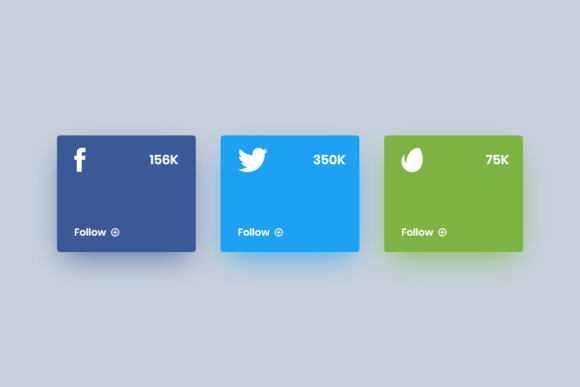
Evaluating the Blog Widget for Adobe XD: A Practical Design Resource
In the fast-paced ecosystem of digital content creation, efficiency is often just as valuable as creativity. For designers, marketers, and content creators working within the Adobe ecosystem, finding assets that streamline the workflow without compromising on quality is a constant pursuit. The Blog Widget - Adobe XD emerges as a specialized resource designed to address this need, offering a pre-structured component for interface design. Rather than starting from scratch, professionals can leverage this asset to accelerate the prototyping phase, ensuring consistency and saving valuable production time.
This article examines the practical utility of this widget, analyzing its organizational structure, editability, and overall value for various creative workflows. By understanding its core features and limitations, users can determine whether it aligns with their specific project requirements.
The Importance of Structured Design Assets
When integrating third-party resources into a design system, the primary concern is often compatibility and ease of integration. A poorly organized file can create more work than it saves, requiring extensive cleanup before it becomes usable. The Blog Widget - Adobe XD distinguishes itself through its meticulous organization. Every element is housed in clearly named layers, a feature that may seem minor but significantly impacts usability.
For professional designers, clear layer naming is not merely a aesthetic preference; it is a functional necessity. It allows for rapid navigation within the document, enabling quick selection and modification of specific components. Whether you are adjusting the padding of a text block or swapping out an icon, the logical hierarchy ensures that you spend less time hunting for elements and more time refining the design. This level of organization reflects a deep understanding of the user’s workflow, catering to those who value precision and speed.
Key Features and Technical Specifications
The technical foundation of any design asset determines its versatility. The Blog Widget - Adobe XD is delivered in the native Adobe XD format, ensuring seamless integration with existing projects. Here are the critical characteristics that define its performance:
- High-Quality Resolution: The asset is rendered at 72 dpi, which is the standard resolution for web and screen-based interfaces. This ensures that the widget appears crisp and professional on digital displays without unnecessary file bloat.
- Fully Editable Components: Unlike static images or rigid templates, every aspect of this widget is mutable. Users can modify texts, adjust fonts, change colors, and reposition elements with complete freedom.
- Layer Organization: As noted, the file structure is optimized for clarity. Groups and layers are logically named, facilitating easy editing and reducing the learning curve for new users.
- Ready-to-Use Format: The file is prepared for immediate implementation. There is no need for complex setup or conversion processes, allowing designers to drop the widget into their canvas and begin customizing instantly.
These features collectively contribute to a resource that is not only visually appealing but also highly functional. The emphasis on editability means that the widget can serve as a starting point for a wide variety of design styles, rather than forcing the user into a predetermined aesthetic.
Practical Application and Usability
The true test of any design tool is its performance in real-world scenarios. The Blog Widget - Adobe XD is particularly useful for projects that require rapid prototyping or consistent UI elements across multiple pages. For instance, a blogger launching a new site might use this widget to standardize the look of their post previews, ensuring a cohesive visual identity. Similarly, a marketing agency working on a client’s content hub could utilize the widget to quickly mock up different layout variations for A/B testing.
The flexibility of the asset allows for significant customization. Users can easily align the widget with brand guidelines by adjusting color palettes and typography. The ability to move or remove elements further enhances its adaptability. If a particular project requires a minimalist approach, unnecessary decorative elements can be deleted without disrupting the overall structure. Conversely, additional elements can be added to create a more information-dense layout.
However, it is important to approach this resource with realistic expectations. While the widget provides a strong foundation, it is not a substitute for strategic design thinking. Users must still consider factors such as readability, whitespace, and visual hierarchy when integrating the widget into their broader design system. The tool facilitates execution, but the creative direction remains the responsibility of the designer.
Who Benefits Most from This Resource?
The Blog Widget - Adobe XD appeals to a diverse audience, ranging from seasoned professionals to serious hobbyists. Its value proposition varies depending on the user’s role and objectives:
- Freelance Designers and Agencies: For those managing multiple clients, time is a critical resource. This widget allows for faster turnaround times on web design projects, enabling freelancers to take on more work without sacrificing quality.
- Content Creators and Bloggers: Individuals who manage their own websites often lack advanced design skills. This resource provides a professional-looking template that can be customized with minimal effort, helping them maintain a polished online presence.
- Marketers and Social Media Managers: Visual consistency is key to brand recognition. Marketers can use the widget to create uniform graphics for blog promotions, ensuring that all shared content aligns with the brand’s visual identity.
- Educators and Students: In academic settings, this asset can serve as a teaching tool, demonstrating best practices in layer organization and component design. Students can study the structure to improve their own Adobe XD skills.
Each of these groups benefits from the reduced friction in the design process. By eliminating the need to build common UI elements from scratch, the widget allows users to focus on higher-level creative decisions.
Assessing Long-Term Value and Limitations
When evaluating the long-term value of the Blog Widget - Adobe XD, it is essential to consider its sustainability within a evolving design landscape. Adobe XD remains a powerful tool for interface design, and assets built for it are likely to remain relevant as long as the software is supported. The high-quality construction of this widget ensures that it will not become obsolete due to poor formatting or outdated techniques.
Nevertheless, there are limitations to consider. The widget is specifically designed for Adobe XD, which means users of other design tools such as Figma or Sketch will need to convert the file, potentially losing some editability or layer structure. Additionally, while the 72 dpi resolution is ideal for screens, it is not suitable for print applications. Users must be aware of these constraints to avoid misuse.
Another consideration is the potential for over-reliance on templates. While the widget offers a solid starting point, excessive use of pre-made assets can lead to generic designs that lack distinctiveness. To maximize value, users should treat the widget as a flexible framework rather than a final solution. Customization is key to ensuring that the final product reflects the unique identity of the brand or project.
Final Recommendations for Implementation
To get the most out of the Blog Widget - Adobe XD, users should adopt a systematic approach to integration. Begin by auditing your current design system to identify gaps where this widget can provide immediate value. Next, customize the core elements—such as typography and color schemes—to align with your brand guidelines before adding content. This ensures consistency across all instances of the widget.
Furthermore, take advantage of the clear layer structure to experiment with different layouts. Try removing elements to see how the design holds up with less information, or add new components to test its scalability. This iterative process will help you understand the full potential of the asset and refine your usage over time.
In conclusion, the Blog Widget - Adobe XD represents a thoughtful and practical resource for anyone involved in digital content creation. Its well-organized structure, high-quality resolution, and extensive editability make it a valuable addition to any designer’s toolkit. By leveraging this asset wisely, professionals can enhance their productivity, maintain visual consistency, and deliver higher-quality results with greater efficiency. Whether you are a freelancer looking to streamline your workflow or a business owner aiming to elevate your online presence, this widget offers a reliable and effective solution for modern design challenges.