Integrating the Gasoline Refueling Nozzle Icon Vector into Professional Design Workflows
In the realm of digital design and user interface development, specific visual assets serve as critical anchors for user understanding. The gasoline refueling nozzle icon vector is one such asset, transcending its literal representation to become a functional component in navigation systems, automotive applications, logistics platforms, and energy sector communications. For professionals ranging from UI designers to marketing strategists, understanding how to effectively implement this graphic element is not merely about aesthetics; it is about clarity, scalability, and workflow efficiency.
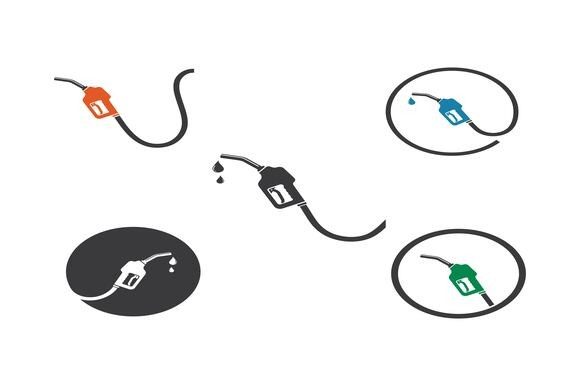
A vector illustration differs fundamentally from raster images. While a JPEG or PNG relies on a fixed grid of pixels, a vector file uses mathematical paths to define shapes. This distinction is paramount when dealing with icons that must appear crisp on everything from a smartwatch screen to a large-format billboard. When you incorporate a gasoline refueling nozzle icon vector illustration design into your project, you are choosing flexibility and longevity over static resolution limits.
The Strategic Value of Vector Assets in Project Planning
Before diving into the technical implementation, it is essential to recognize where this asset fits within the broader lifecycle of a creative or business project. Whether you are building a fuel price comparison app, designing signage for a service station, or creating an infographic about carbon emissions, the icon serves as a universal signifier. Its recognition is immediate, reducing cognitive load for the end-user.
During the planning phase, selecting a high-quality vector asset mitigates future risks. Many projects suffer from "asset debt," where low-resolution images need to be replaced or recreated as the project scales. By starting with a gasoline refueling nozzle icon vector, you ensure that the visual identity remains consistent regardless of output size. This foresight aligns with efficient project management principles, reducing the need for revision cycles later in the development process.
Compatibility and File Format Considerations
Not all vector files are created equal. When sourcing or creating your icon, you will likely encounter formats such as SVG (Scalable Vector Graphics), AI (Adobe Illustrator), EPS (Encapsulated PostScript), or PDF. Each has its place in a professional workflow.
- SVG: Ideal for web and mobile app development. It is code-based, allowing for direct manipulation via CSS and JavaScript. This makes it perfect for interactive states, such as changing the color of the nozzle when a user hovers over a button.
- AI/EPS: Best for print materials and further editing in design software. If you need to modify the shape of the nozzle or integrate it into a larger composite illustration, these formats provide full editability.
- PDF: Useful for sharing proofs with clients who may not have specialized design software but need to view the vector quality.
Understanding these distinctions ensures that the asset you choose integrates smoothly with your existing toolchain. A marketer might need an SVG for a landing page, while a print designer requires an EPS for a brochure. Having the correct format from the outset prevents bottlenecks during the execution phase.
Implementation in User Interface and Experience Design
For UX/UI designers, the gasoline refueling nozzle icon vector illustration design is more than a decorative element; it is a functional trigger. In automotive apps, this icon often represents fuel levels, station locations, or payment options. Its design must prioritize legibility at small sizes. Complex details can become muddy when scaled down to 16x16 or 24x24 pixels. Therefore, simplifying the geometry of the nozzle—focusing on the handle, trigger, and spout—is crucial for maintaining usability.
Consistency is another key factor. If your application uses a line-art style for other icons, the gasoline nozzle must match that stroke weight and corner radius. Mismatched styles create visual friction, undermining the professional polish of the product. Designers should treat the icon as part of a cohesive system, ensuring it interacts harmoniously with neighboring elements like battery icons, tire pressure indicators, or navigation arrows.
Customization and Brand Alignment
One of the primary advantages of using a vector asset is the ease of customization. Brands often have strict color palettes and style guides. A generic black-and-white icon can be instantly adapted to match corporate identity by adjusting fill colors, stroke widths, or even adding subtle gradients. For instance, an eco-friendly fuel brand might opt for a green-tinted nozzle or incorporate a leaf motif into the design. This level of adaptation is seamless with vectors but cumbersome with raster images.
Furthermore, vectors allow for non-destructive editing. You can experiment with different proportions or stylistic flourishes without degrading the image quality. This encourages iteration, a core component of the creative process. Designers can rapidly prototype variations to test which version resonates best with users or aligns most closely with the brand voice.
Workflow Integration for Marketers and Content Creators
Beyond technical design, marketers and content creators frequently utilize icons to break up text, illustrate blog posts, or enhance social media graphics. A gasoline refueling nozzle icon vector can serve as a visual anchor in articles discussing fuel economy, electric vehicle transitions, or travel tips. Using a vector ensures that the icon remains sharp across various platforms, from high-density Retina displays to printed handouts.
When integrating these assets into content management systems (CMS) or email marketing platforms, SVGs are particularly valuable. They load quickly, improving page speed metrics—a critical factor for SEO and user retention. Additionally, because SVGs are text-based, they can be indexed by search engines, potentially offering minor SEO benefits if properly labeled with relevant alt text and titles.
- Select the appropriate format: Choose SVG for digital use and AI/EPS for print.
- Optimize for performance: Clean up unnecessary metadata in SVG files to reduce file size.
- Ensure accessibility: Add descriptive alt text for screen readers.
- Maintain consistency: Align the icon’s style with your broader visual language.
Quality Control and Long-Term Asset Management
Effective asset management is often overlooked in fast-paced work environments. However, organizing your library of vector icons pays dividends in long-term efficiency. When you acquire a gasoline refueling nozzle icon vector illustration design, store it in a centralized repository with clear naming conventions. Include metadata such as the source, license type, and date of acquisition. This practice prevents duplicate purchases and ensures that team members always access the most up-to-date version of the asset.
Regular audits of your asset library can reveal opportunities for standardization. If you notice multiple variations of the same icon, consider consolidating them into a single, versatile master file. This reduces clutter and simplifies decision-making during future projects. Moreover, keeping track of licensing terms is crucial to avoid legal complications, especially when using assets in commercial products.
Adapting to Emerging Trends
The design landscape is constantly evolving. Trends such as neumorphism, glassmorphism, or flat design 2.0 influence how icons are perceived. A vector asset is future-proof because it can be restyled to match contemporary aesthetics without needing to be redrawn from scratch. As your brand or project evolves, you can update the visual treatment of the gasoline nozzle icon to stay current, ensuring that your materials never look outdated.
For entrepreneurs and small business owners, this adaptability is cost-effective. Instead of commissioning new artwork every time a rebrand occurs, you can tweak existing vectors. This approach supports agile business practices, allowing for rapid pivots in marketing strategy or product positioning.
Conclusion: Enhancing Efficiency Through Smart Asset Selection
The gasoline refueling nozzle icon vector is a small but significant component in the broader ecosystem of digital and print design. Its value lies not just in its visual representation, but in its technical properties and versatility. By understanding how to select, customize, and integrate this asset, professionals can streamline their workflows, enhance user experiences, and maintain high standards of visual consistency.
Whether you are a designer crafting a complex dashboard, a marketer creating engaging content, or a business owner managing brand assets, treating vector icons with strategic intent yields tangible results. It reduces friction in the production process, ensures compatibility across diverse media, and supports long-term scalability. In a world where visual communication is paramount, mastering the use of such fundamental tools is a step toward greater professional efficacy and creative freedom.