Mastering the Login Form in Adobe XD: A Guide to Clean, Editable UI Design
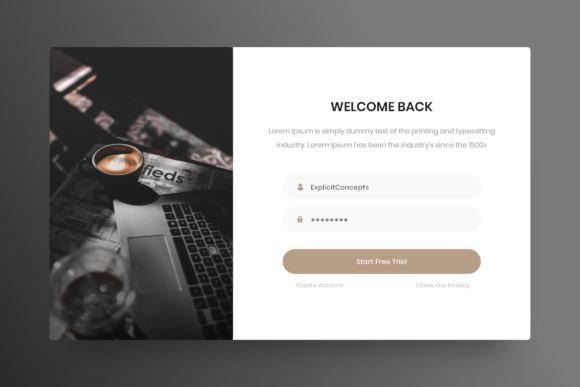
Creating a seamless user experience starts long before a user types their password. It begins with the interface design itself. For designers working within the Adobe ecosystem, the Login Form - Adobe XD template serves as a critical foundation for authentication flows. However, many designers treat these templates as static images rather than dynamic, editable assets. This misunderstanding often leads to rigid designs that are difficult to adapt to specific brand guidelines or functional requirements. By understanding the underlying structure of a well-organized XD file, you can save hours of redesign work and ensure your final product is both aesthetically pleasing and technically sound.
The Hidden Value of Layer Organization
One of the most common mistakes beginners make when downloading or purchasing UI kits is ignoring the layer panel. A high-quality Login Form - Adobe XD file is defined not just by its visual appeal, but by its internal architecture. When layers are messy, unnamed, or grouped illogically, editing becomes a frustrating exercise in guesswork. You might spend ten minutes hunting for the "Submit" button layer only to realize it is buried inside three unrelated groups.
A professionally prepared file features well-organized all in layers with clear names. This means that every input field, icon, label, and background element is labeled intuitively. For instance, instead of seeing "Rectangle 43 copy 2," you should see "Input_Field_Email." This clarity is not just for the original creator; it is essential for anyone who inherits the project. If you are collaborating with a team or handing off designs to developers, clear naming conventions reduce communication errors and speed up the development cycle. Always check the layer panel before committing to a template. If it looks chaotic, the time you save initially will be lost later during the editing phase.
Editing Flexibility and Component States
Another frequent oversight is failing to utilize the editable nature of modern XD components. Many designers assume that changing a color or font requires manually adjusting every single element. This is inefficient and prone to error. A robust Login Form - Adobe XD resource is fully editable, and really easy to use because it leverages component states and master components.
For example, a login form typically has multiple states: default, active, error, and success. If these are not set up as component states, you might create four separate artboards and forget to update the error message on one of them. With proper setup, you can easy to edit texts, fonts, colors, move or remove elements globally. Changing the primary brand color from blue to green should take seconds, not hours. Before using a template, test this flexibility. Try changing a hex code in the asset panel and see if it propagates through the form fields. If it does not, the file may lack the necessary component logic, making it a poor choice for scalable projects.
Resolution and Quality Standards
While digital screens do not require print-level resolution, the quality of your assets still matters. A common misconception is that dpi (dots per inch) is irrelevant for web design. While it is true that screens render pixels, a High quality 72 dpi standard ensures that your raster images and exports are optimized for web performance without sacrificing clarity. Low-resolution assets can appear pixelated on high-density displays, such as Retina screens, damaging the perceived professionalism of your application.
When evaluating a Login Form - Adobe XD kit, check the embedded images and icons. Are they crisp? Do they scale without blurring? If the template relies heavily on raster images for icons instead of vector shapes, you will face limitations when resizing. Vector-based elements are preferred because they remain sharp at any size. Ensure that the template you choose prioritizes vector graphics for UI elements, reserving raster images only for complex textures or photographs where necessary. This approach guarantees that your login screen looks professional on everything from a mobile phone to a 4K monitor.
Practical Application and Workflow Integration
Having a Ready to use template is only beneficial if it integrates smoothly into your existing workflow. Some designers download elaborate kits that require extensive cleanup before they can be used. This defeats the purpose of using a template. The ideal Format Adobe XD file should open without missing fonts or broken links. It should be compatible with the current version of Adobe XD to avoid compatibility warnings that can corrupt layout positions.
To avoid these pitfalls, always verify the software version required by the template. If you are using an older version of XD, ensure the file is backward compatible or be prepared to update your software. Additionally, check for style guides included within the file. A comprehensive template often includes a small section defining typography scales, color palettes, and spacing rules. Using these predefined styles ensures consistency across your entire application, not just the login screen.
Common Pitfalls in Customization
Even with a perfect template, customization errors can undermine your design. One significant issue is over-customization. Designers often feel compelled to change every aspect of a pre-designed form, resulting in a disjointed user interface. Remember that established UI patterns exist for a reason; users expect certain elements to be in specific places. The username field usually comes before the password field, and the primary action button is typically prominent and clearly labeled.
Instead of reinventing the wheel, use the Login Form - Adobe XD as a structural guide. Focus your customization efforts on branding elements like colors, logos, and typography. Keep the layout and interaction patterns familiar. This balance allows you to maintain brand identity while ensuring usability. If you find yourself struggling to move elements because they are locked or constrained incorrectly, it may be a sign that the template’s auto-layout settings are too rigid. Look for files that use flexible grouping strategies, allowing you to move or remove elements without breaking the overall alignment.
Making the Right Choice for Your Project
Ultimately, selecting the right design resource is about balancing quality with efficiency. A well-crafted Login Form - Adobe XD template is more than just a pretty picture; it is a functional tool that accelerates your design process. By prioritizing files with clear layer organization, full editability, and high-quality vector assets, you protect your project from unnecessary technical debt.
Before you download or purchase, take a moment to review the preview images closely. Look for evidence of component states, check the complexity of the layer structure, and read user reviews regarding ease of use. These small checks can prevent significant headaches down the line. Whether you are a freelancer building a quick prototype for a client or a product designer refining a large-scale application, investing time in choosing the right foundational assets pays dividends in productivity and design quality. Embrace the tools that offer clarity and flexibility, and your design workflow will become smoother, faster, and more enjoyable.