Food Pricing Table Design in Adobe XD
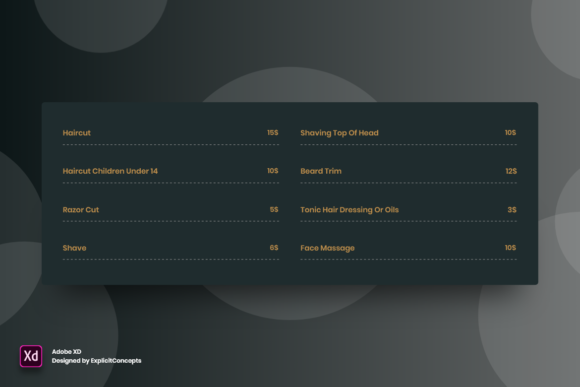
In the competitive world of food service, clarity is just as important as flavor. Whether you run a bustling café, a high-end restaurant, or a local food truck, your menu is the primary interface between your kitchen and your customers. A confusing or cluttered price list can deter orders, while a clean, well-structured design guides choices and boosts sales. This is where a dedicated Food Pricing Table - Adobe XD template becomes an invaluable asset for designers and business owners alike.
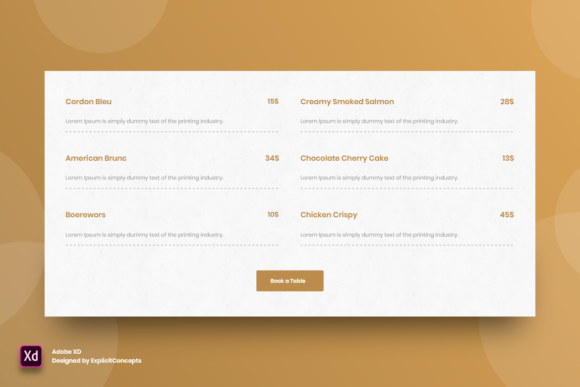
Adobe XD has established itself as a powerful tool for user experience and interface design, offering speed and precision that traditional graphic design software sometimes lacks. By utilizing a pre-built pricing table specifically designed for this platform, creators can bypass the tedious initial setup phases. Instead of starting from a blank canvas, users gain access to a structured foundation that prioritizes readability, aesthetic appeal, and functional layout. The result is a professional-grade menu component that can be integrated into digital kiosks, mobile ordering apps, or printable PDFs with minimal effort.
Why Structure Matters in Menu Design
A pricing table is more than a list of items and numbers; it is a strategic communication tool. For entrepreneurs and small business owners, the priority is often conversion. How easily can a customer find their favorite dish? Is the pricing transparent? A well-organized layout reduces cognitive load, allowing patrons to make decisions quickly. In digital contexts, such as self-service tablets or mobile apps, this efficiency directly impacts throughput and revenue.
For marketers and bloggers, the visual appeal of the pricing table reflects brand identity. Consistency in fonts, colors, and spacing reinforces professionalism. When using a Food Pricing Table - Adobe XD file, these elements are not left to chance. The template ensures that hierarchy is maintained, meaning special offers or high-margin items can be highlighted effectively without disrupting the overall flow. This level of control is essential for anyone looking to maintain a cohesive brand presence across multiple platforms.
Tailored Benefits for Different Users
The value of a ready-made design resource varies significantly depending on who is using it. Understanding these different perspectives helps in determining whether this specific tool aligns with your current project needs.
For Beginners and Hobbyists
If you are new to design software, the learning curve can be steep. Adobe XD, while intuitive, still requires an understanding of layers, artboards, and components. A template that is fully editable and well organized serves as an educational scaffold. Beginners can deconstruct the file to see how professional designers handle spacing, typography pairing, and color contrast. The clear naming of layers allows novice users to locate specific elements without frustration. Instead of struggling to align text boxes manually, they can focus on content customization, swapping out placeholder dishes for real menu items. This approach builds confidence and accelerates the learning process, turning a potentially overwhelming task into a manageable project.
For Professionals and Freelancers
Experienced designers and freelancers operate under tight deadlines. Time is money, and reinventing the wheel for every client project is inefficient. A high-quality Food Pricing Table - Adobe XD template offers a rapid starting point. Because the file is built with clear names and organized layers, professionals can quickly navigate the structure. They can duplicate artboards for different menu sections, adjust global colors to match a client’s brand guide, and modify fonts with ease. The 72 dpi resolution is standard for screen-based designs, ensuring that the output is optimized for web and app interfaces without unnecessary file bloat. This reliability allows freelancers to deliver polished results faster, improving client satisfaction and profitability.
For Educators and Publishers
Educators teaching digital design or hospitality management can use these templates as practical examples. They demonstrate industry standards for information architecture. Publishers creating digital cookbooks or restaurant directories benefit from the consistency offered by a standardized table format. The ability to move or remove elements easily means that layouts can be adapted for various page sizes or screen orientations. This flexibility is crucial when content volume varies significantly from one section to another.
Key Features That Enhance Usability
When evaluating a design resource, specific technical features determine its long-term usefulness. The Food Pricing Table - Adobe XD template excels in several key areas that cater to both aesthetic and functional requirements.
- Layer Organization: Every element is grouped logically. Headers, body text, prices, and decorative icons are separated into distinct layers with descriptive names. This prevents the common frustration of selecting the wrong object when trying to edit text.
- Editability: All texts, fonts, and colors are fully adjustable. Users are not locked into a specific style. If your brand uses a serif font for elegance or a sans-serif for modernity, the switch is seamless. Colors can be updated globally or individually, allowing for quick A/B testing of different visual themes.
- Resolution Quality: At 72 dpi, the file is optimized for digital display. This ensures crisp rendering on smartphones, tablets, and desktop monitors. It is the ideal format for online menus, QR code-linked pages, and social media promotions.
- Modularity: Elements can be moved, resized, or removed without breaking the layout. This modularity is essential for accommodating menus that change seasonally. Adding a new special or removing a discontinued item does not require a complete redesign.
Practical Applications in Real-World Scenarios
Consider a local bakery launching a new website. The owner needs a digital menu that looks good on mobile devices. Using the Food Pricing Table - Adobe XD template, they can input their pastry list, adjust the colors to match their pastel branding, and export the design for web use. The process takes hours instead of days, allowing them to focus on baking rather than debugging design software.
Alternatively, imagine a freelance UX designer working on a food delivery app. They need a consistent component for displaying restaurant menus within the app interface. The template provides a standardized structure that ensures readability across different screen sizes. The designer can customize the typography to align with the app’s overall design system, ensuring a cohesive user experience. The clear layer structure allows for easy handoff to developers, who can interpret the design specifications accurately.
For educators, this template can serve as a case study in information hierarchy. Students can analyze why certain items are placed prominently and how whitespace is used to guide the eye. They can then experiment with modifications, learning how small changes in font weight or color can alter user perception of value.
Making the Right Choice for Your Project
Deciding whether to use a pre-made template depends on your specific goals. If you prioritize speed and consistency, a structured Adobe XD file is an excellent choice. It removes the guesswork from layout design, allowing you to focus on content and branding. If you are a beginner, it offers a safe environment to practice editing and organizing digital assets. For professionals, it is a time-saving tool that enhances productivity.
However, it is important to remember that a template is a starting point, not a final solution. The true value comes from how you customize it. Take the time to review your content, ensure your pricing is accurate, and adjust the visual elements to reflect your unique brand voice. The ease of use provided by the template should empower you to iterate and refine, not limit your creativity.
In conclusion, a Food Pricing Table - Adobe XD template is more than just a design file; it is a strategic tool for effective communication. By leveraging its organized structure, editability, and high-quality format, users across various industries can create compelling, professional menus that enhance customer experience and drive business success. Whether you are designing for a screen or preparing materials for print adaptation, the flexibility and clarity of this resource make it a worthwhile addition to your design toolkit.